The thrill of risk and reward
The allure of casinos often lies in the adrenaline rush associated with taking risks. This excitement is deeply rooted in human psychology; the brain releases dopamine, a neurotransmitter related to pleasure and reward, when engaging in risky behaviors. The anticipation of winning, particularly in games of chance, creates an exhilarating atmosphere that keeps players returning for more, especially when they explore options like payid casino to enhance their gaming experience. This sensation captivates seasoned gamblers and entices newcomers, fostering an environment where excitement and potential financial gain coexist harmoniously.
Moreover, the unpredictable nature of gambling significantly contributes to the thrill. Unlike structured activities where outcomes are predetermined, casino games often involve elements of luck, keeping participants on the edge of their seats. The brain’s response to uncertainty amplifies emotional reactions, making the experience vivid and memorable. Individuals are frequently drawn back to this unpredictability, hoping to replicate their previous successes or chase after lost money, further fueling their engagement with the casino.
Lastly, this thrilling experience has social implications. Many people visit casinos not only for the chance to win money but also to engage with others. Whether playing alongside friends or strangers, the shared experience of risk-taking enhances enjoyment. Conversations and camaraderie create a sense of community that makes the experience more fulfilling, encouraging repeat visits. Therefore, the blend of risk, reward, and social interaction serves as a powerful motivator that captivates casino-goers, making each visit an adventure in itself.
The impact of environment and design
The design and layout of casinos significantly influence why people are drawn to them. Most casinos are meticulously crafted to create an immersive experience, employing specific colors, sounds, and lighting to affect moods and behaviors. For instance, the use of vibrant colors and flashing lights stimulates excitement, making players feel energized and engaged. This sensory overload is a strategic ploy to keep players focused on their games, often leading them to lose track of time in their pursuit of entertainment.
Additionally, the absence of clocks and windows in many casinos contributes to a disorienting effect, detaching players from reality. This intentional design choice ensures that individuals remain engrossed in gambling rather than being reminded of the passage of time. When people lose track of time, they tend to spend more money, enhancing the casino’s profitability. This environment often leads to a form of escapism, allowing individuals to temporarily forget their daily lives and immerse themselves in a world of chance and possibility.

Furthermore, the variety of games available at casinos caters to a broad audience, enhancing their overall appeal. From classic table games like blackjack and roulette to modern slot machines and video poker, there is something for everyone. The ability to choose from multiple options allows visitors to tailor their experiences, heightening enjoyment and satisfaction. This aspect of customization ensures that individuals can engage with their preferred games, fostering a sense of control amid the randomness that gambling entails.
The social dynamics of gambling
The social aspects of gambling play a crucial role in why people frequent casinos. For many, visiting a casino is not just about the games; it’s about being part of a vibrant community. The atmosphere in a casino is often electric, filled with laughter, celebration of wins, and bonding over shared experiences. This social interaction serves as a strong motivator for individuals seeking connection, especially in an increasingly digital world where face-to-face interactions are becoming less common.
Moreover, casinos frequently host events and tournaments that foster social engagement, creating opportunities for players to meet others who share similar interests. These communal experiences can make gambling more enjoyable, as players cheer each other on during games or share strategies. The social aspect transforms the casino from a mere gambling venue into a gathering space, further enhancing its attractiveness and encouraging repeat visits.
Additionally, the concept of competition among players can be very enticing. People often enjoy challenges, whether competing against friends in a poker game or testing their skills in a blackjack tournament. This competitive spirit can add another layer of excitement, prompting players to visit casinos not merely to gamble but also to engage in friendly rivalries. Consequently, the blend of social interaction and competition makes casinos appealing destinations for many individuals, enriching their overall experience.
The psychological effects of winning and losing
The experience of winning in a casino can have profound psychological impacts. Winning not only provides a financial boost but also reinforces positive feelings, encouraging players to return for more. This phenomenon is often referred to as “the winner’s high,” where the brain’s reward system is activated, creating a sense of euphoria. This euphoric feeling can become addictive, leading players to chase that sensation repeatedly while often overlooking the inherent risks involved.
Conversely, the psychological impact of losing can be significant. For many gamblers, losses can trigger feelings of frustration or disappointment, leading to what is known as the “sunk cost fallacy.” This cognitive bias causes individuals to continue gambling in an attempt to recover their lost funds, believing that their luck will turn around. As a result, many players find themselves caught in a cycle of chasing losses, which can lead to detrimental financial consequences and greater emotional toll.
This duality of winning and losing creates a complex psychological landscape for casino-goers. While the thrill of winning serves as a powerful motivator, the accompanying risks of loss can lead to unhealthy behaviors and addiction. Understanding these psychological factors is crucial for both individuals and the casino industry, as it highlights the need for responsible gambling practices and awareness initiatives aimed at helping players navigate their experiences more safely and effectively.
Exploring online options
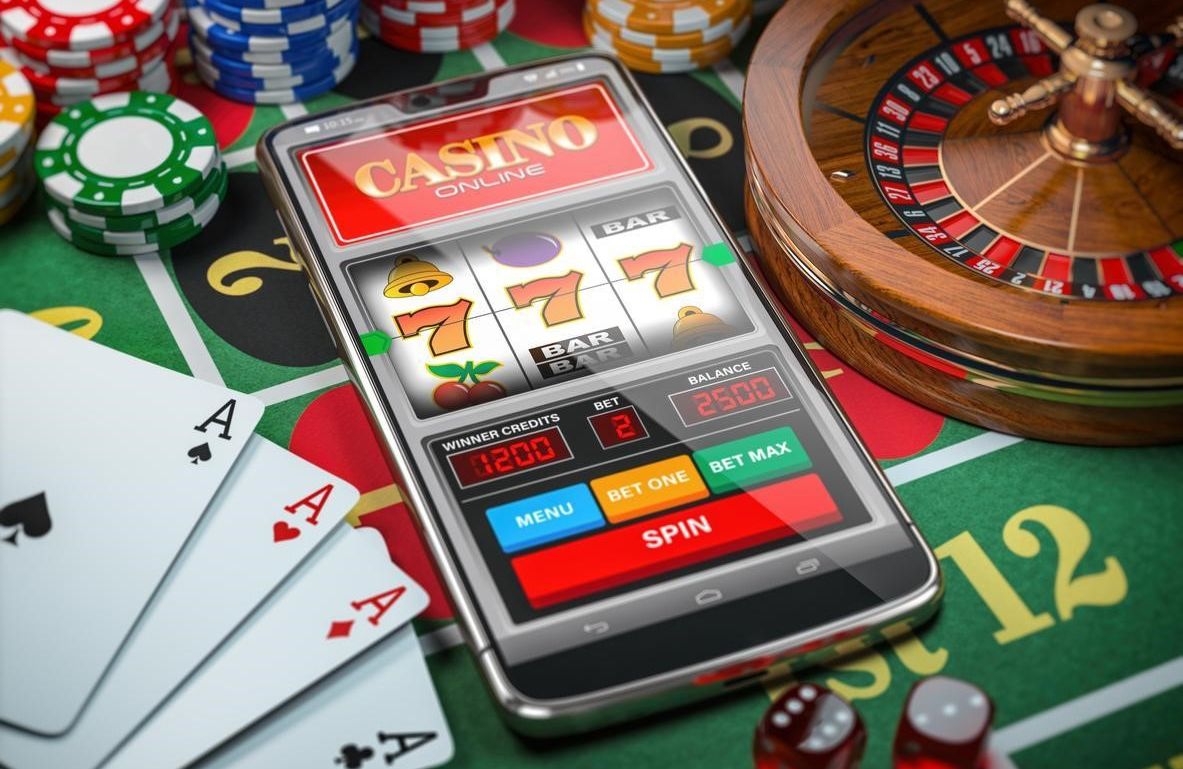
The rise of online casinos has transformed the traditional gambling landscape, offering new avenues for players to engage with their favorite games. The convenience of accessing a variety of games from the comfort of home appeals to many. Players can enjoy the thrill of gambling without the need to travel to physical establishments, making it a popular choice for those with busy lifestyles. This shift has also allowed casinos to expand their reach, attracting a broader audience, including those who may have never set foot in a traditional casino.
Additionally, online casinos often utilize psychological tactics similar to their brick-and-mortar counterparts. They employ gamification elements, such as rewards, bonuses, and social features, to enhance user engagement. These strategies are designed to create a sense of belonging and community among players, mimicking the social aspects found in physical casinos. This blend of convenience and social interaction can be particularly appealing to individuals who enjoy gaming but prefer the flexibility of online platforms.
However, it is essential to address the potential downsides of online gambling, such as increased accessibility leading to higher risks of addiction. The anonymity of online play can make it easier for individuals to lose track of their spending and time, which underscores the need for responsible gaming practices within the digital space. As the popularity of online casinos continues to rise, a deeper understanding of the psychological aspects of players’ behaviors will be crucial in promoting safe and enjoyable gambling experiences for everyone involved.